Professional Lighting Techniques for Photography: Mastering Light and Shadow
- Keyur Mehta
- Jan 12
- 2 min read

Light is the foundation of photography. Master photographers understand that controlling light and shadow is more important than having expensive equipment. This comprehensive guide will teach you professional lighting techniques that will transform your photography.
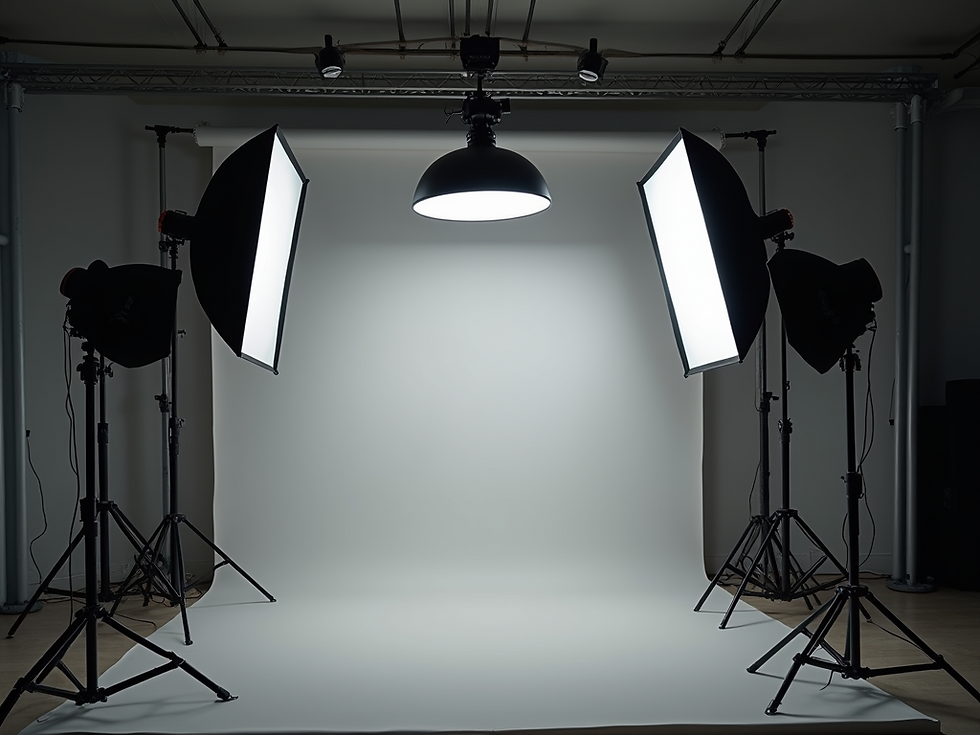
Understanding Light in Photography
Every photograph is created with light. Professional photographers carefully control light direction, intensity, and quality to create specific moods and highlight their subjects. Understanding light fundamentals is essential for any aspiring photographer.
Natural Light Photography
Natural light offers photographers a free and beautiful light source. Learn to use the sun effectively by understanding golden hour, blue hour, and midday lighting conditions. Position your subject relative to the sun to create stunning backlighting, side lighting, or front lighting effects.
Artificial Lighting Techniques
Professional photographers use various lighting equipment including:
- Softboxes for diffused, flattering light
- Umbrella lights for bounce lighting
- Ring lights for even facial lighting
- Key lights, fill lights, and backlights for three-point lighting setups
Three-Point Lighting Setup
The classic three-point lighting setup is fundamental in professional photography. This technique uses a key light, fill light, and backlight to create dimensional, professionally lit images with proper depth and separation from the background.
Lighting Ratios and Exposure
Understanding lighting ratios helps you control the contrast in your images. Learn to expose for highlights and use fill light to control shadows. This technique creates images with proper detail in both bright and dark areas.
Color Temperature and White Balance
Different light sources have different color temperatures. Learn to adjust white balance settings to accurately represent colors whether shooting under tungsten, fluorescent, or daylight conditions.
Creative Lighting Effects
Experiment with creative lighting techniques such as:
- Rim lighting for separation
- Dramatic side lighting for mood
- Low key lighting for mystery and drama
- High key lighting for bright, airy images
Practical Lighting Exercises
1. Practice using only natural light from a single window
2. Experiment with one-light setups using different light modifiers
3. Create a three-point lighting setup in your studio or home
4. Compare the same subject lit with warm and cool color temperatures
5. Practice adjusting exposure for consistent results
Conclusion
Mastering lighting is a journey that takes practice and experimentation. These professional lighting techniques form the foundation of high-quality photography. At Left Angle Hub, our photography courses include hands-on lighting workshops where you can practice these techniques under expert guidance. Enroll today to accelerate your photography skill development.


Comments